
05. The crawl space or attic hasn’t been checked in years
Out of sight genuinely means out of mind for most Colorado Springs homeowners. Crawl spaces and attics are where mold spreads furthest without detection — because nobody’s looking. By the time it’s discovered during a sale inspection or renovation it’s typically been growing for months.
06. You’re selling the property and the inspector flagged something
A mold flag during a real estate inspection in Colorado Springs can kill a sale or trigger a renegotiation that costs more than the remediation itself. Buyers walk. Deals collapse. And the seller is left scrambling for a certified company that can remediate and document the clearance fast enough to keep the transaction alive.
Any of these sound familiar? That’s not a coincidence these are the situations we walk into every week across Colorado Springs. The longer any of them go unaddressed the more material gets damaged and the higher the remediation cost climbs.
Mold removal done properly isn’t a single step — it’s a sequence where skipping anything guarantees the problem returns. Every job Front Range Mold Remediation takes on in Colorado Springs follows this exact process regardless of the size of the contamination or the type of property involved.
Step 4: Clearance Testing
Proving the Job Is Actually Done Post remediation air and surface sampling confirms mold spore levels have returned to acceptable limits before we sign off. You receive written clearance documentation proving your property is clean — the same standard required for insurance claims and real estate transactions.
Step 1: Property Assessment
Finding Everything, Not Just What’s Visible Before anything is touched we walk the entire property. Not just the area you called about. Our certified inspector identifies every affected area, traces moisture back to its source and documents the full scope before a single tool comes out. You get a complete picture of what you’re dealing with — not a partial assessment designed to get us in the door cheaply.
Step 2: Containment
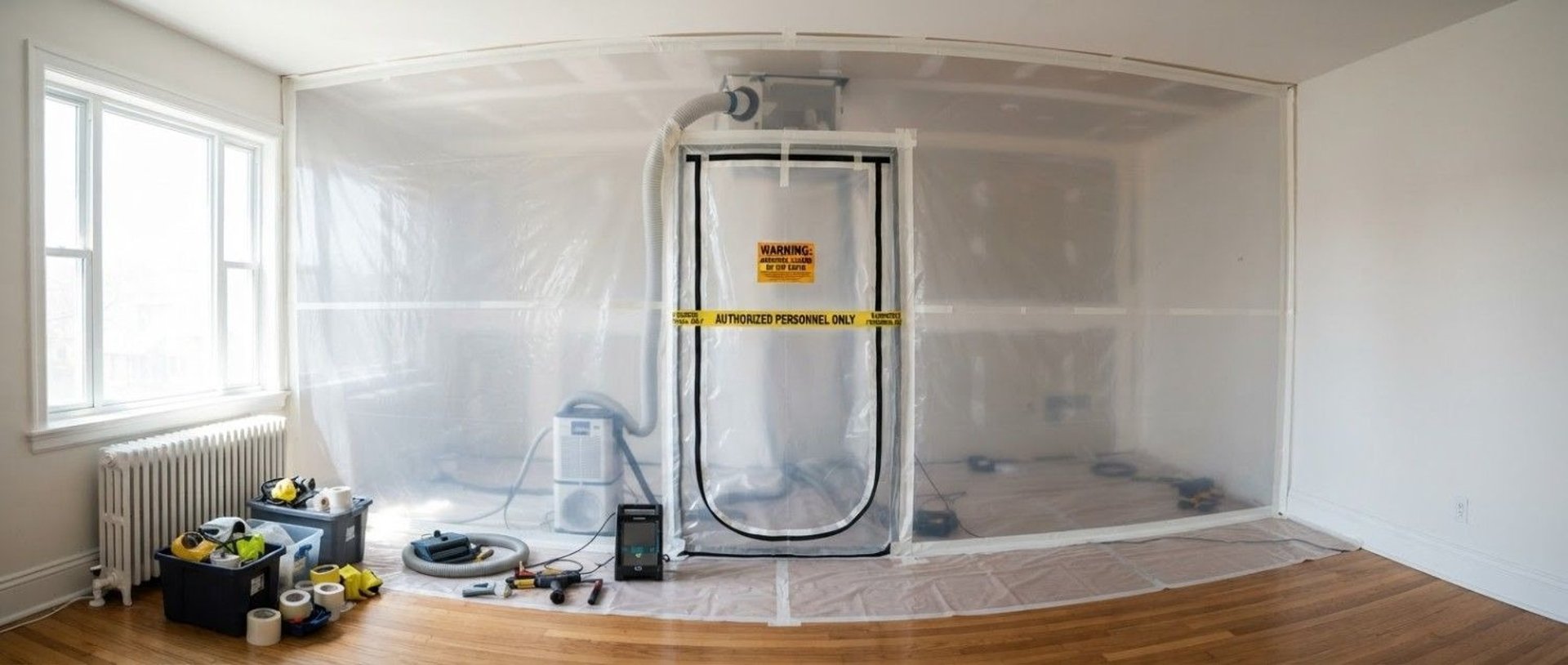
Stopping It From Spreading During Removal Before any contaminated material is disturbed we seal off the affected area using negative air pressure barriers and HEPA filtration. This keeps mold spores from becoming airborne and traveling to unaffected parts of your home through your HVAC system while we work.
Step 3: Physical Removal & Antimicrobial Treatment
Contaminated materials that can’t be decontaminated effectively get removed entirely — not treated in place. Once physical removal is complete every affected surface receives professional grade antimicrobial treatment that eliminates mold at the microscopic level and inhibits regrowth during the restoration phase.
Every step follows IICRC S520 standards — the industry benchmark for professional mold remediation. Not because we have to. Because cutting corners at any stage means calling us back six months later.
Eight Signs Your Colorado Springs Property Needs Professional Mold Removal
Some are obvious. Most aren’t. Here’s what to look for before a manageable problem becomes a structural one.
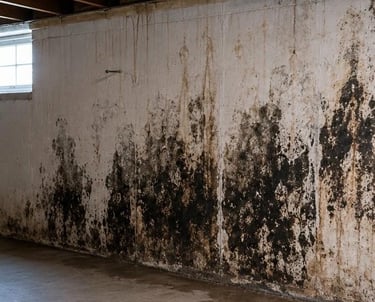
1. A musty smell that hits you the moment you enter a room
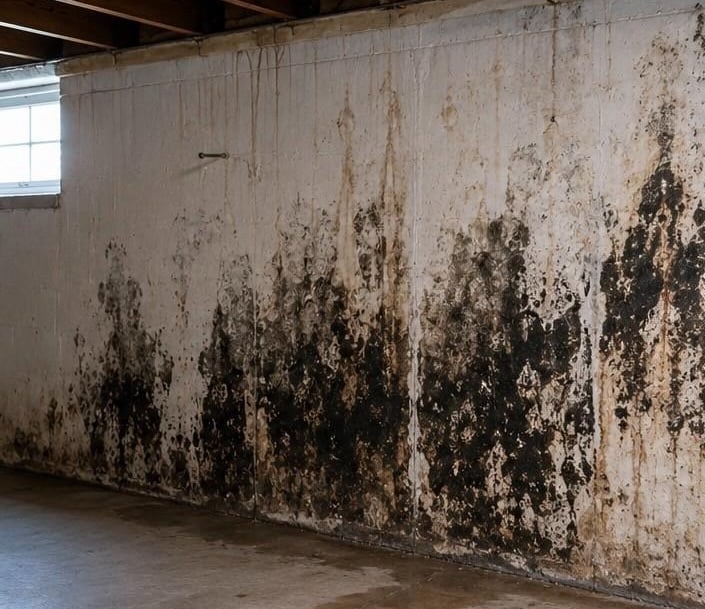
Especially in basements, crawl spaces or rooms with exterior walls. That smell is active mold releasing spores into the air — not old dampness, not a drainage issue.
2. Visible dark patches on walls, ceilings or grout lines
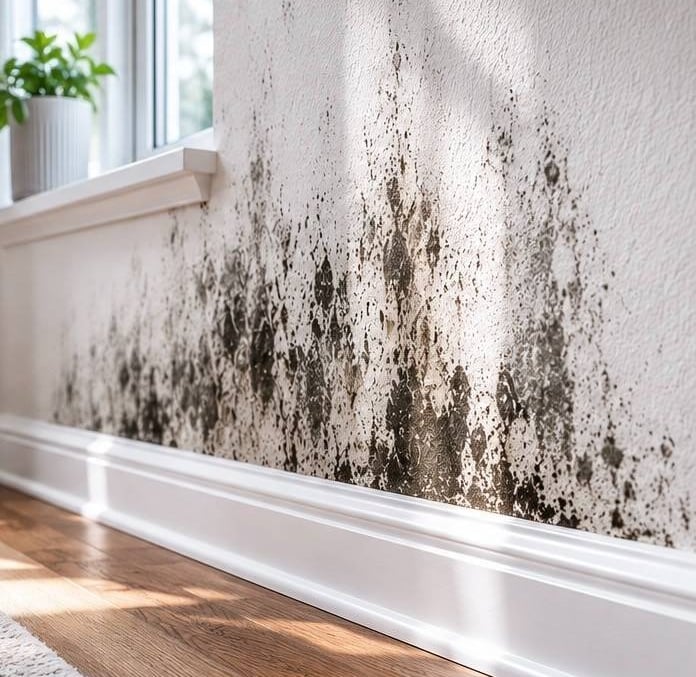
Black, green or grey discoloration that keeps returning after cleaning is almost never surface dirt. If it comes back within days of wiping it down, it’s mold growing from inside the material.
3. Walls or ceilings that feel soft, bubbled or warped
Moisture trapped behind surfaces causes material breakdown before mold becomes visible. Soft drywall or bubbling paint usually means the problem behind the wall is already significant.
4. Condensation regularly forming on windows or interior walls
Persistent condensation means your home has a humidity regulation problem. That moisture is finding its way into wall cavities and floor structures where mold establishes itself silently.
5. Recent water damage that wasn’t professionally dried
Any flooding, leak or appliance overflow where materials stayed wet for more than 48 hours carries a high probability of mold growth — even if everything looks dry on the surface now.
6. Health symptoms that improve when you leave home
Recurring headaches, respiratory irritation or fatigue that consistently gets better when you’re away from the property for several days points directly at indoor air quality as the cause.
7. A real estate inspection flagged potential mold
Inspectors flag what they can see. What they can’t see — inside walls, under flooring, in the attic — is usually where the real contamination lives. A flag means investigate, not just monitor.
8. Your property is older than 20 years and has never been inspected
Colorado Springs has significant housing stock built before modern moisture management standards. If a crawl space, basement or attic has never been professionally assessed, the odds of undiscovered mold growth are higher than most homeowners expect.
Not sure if what you’re seeing is serious? Our mold inspection and testing team can assess your property and give you a definitive answer before committing to any removal work.
Why Colorado Springs Homeowners Call Front Range First
We Remove It
We Don’t Just Treat It Most surface treatments leave contaminated material in place. We physically remove what can’t be saved and treat what can. That distinction is the entire difference between mold that stays gone and mold that returns in six months.
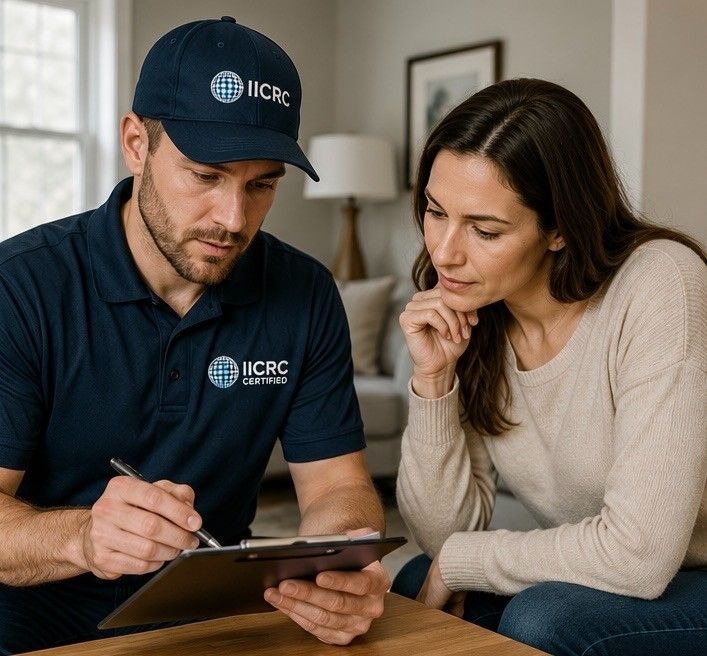
Every Technician Is IICRC Certified Not the company owner
Every technician on site holds IICRC certification in mold remediation. That means the person actually doing the work in your home is trained to the same standard regardless of which crew shows up.
You Get Documentation
Not Just a Clean Bill Every completed job comes with written clearance testing results. Post remediation sampling proves spore levels are within safe limits — something you can hand to your insurance company, your real estate agent or your own peace of mind.
We’re Local
We Answer Directly Front Range Mold Remediation is based in Colorado Springs. When you call you reach us — not a call center routing your job to whoever is available. We know the housing stock here, we know the neighborhoods and we know what Colorado Springs properties deal with seasonally.
There are plenty of companies in Colorado Springs that will show up and spray something. Here’s what makes the difference between a job that holds and one that doesn’t.
Ready to get started? Contact us today for a free no obligation estimate.
Mold Removal Across Every Colorado Springs Neighborhood
Mold doesn’t respect neighborhood boundaries and neither does our service area. Front Range Mold Remediation provides certified mold removal across all of Colorado Springs — from the historic properties of Old Colorado City to the newer residential developments in Northgate and everywhere in between.
Older commercial conversions and residential lofts in Downtown Colorado Springs carry decades of moisture history inside their walls. We handle mold removal in both residential and mixed-use properties throughout the city centre.
Briargate’s high density residential developments and aging plumbing systems make basement and crawl space mold particularly common. We serve the full Briargate area with same-week assessment availability.
The larger properties and extensive basements common in Broadmoor mean mold contamination here often covers more square footage before it’s discovered. We provide full scope removal for high value properties across the Broadmoor area.
Historic brick construction and older foundations in Old Colorado City create persistent moisture pathways that modern builds don’t have. Mold in properties this age frequently penetrates deeper into structural materials than it appears on the surface.
Newer construction in Northgate doesn’t mean mold free — early plumbing issues and inadequate ventilation during building create moisture conditions that show up within the first few years of ownership.
Rockrimmon’s proximity to natural open space and variable moisture levels make crawl space mold one of the most common issues we’re called to address in this northwest neighborhood.
Fountain’s older and more affordable housing stock carries significant deferred maintenance history. Mold in these properties has often been establishing itself quietly for years before the first visible sign appears.
The density of residential properties along the Powers Corridor means moisture issues in one unit or one property type tend to show up consistently across the area. We cover the full stretch of the corridor from north to south.
Large forested lots in Black Forest trap moisture around foundations and older construction methods left crawl spaces particularly vulnerable to long term dampness. Mold removal in Black Forest properties often involves structural drying as well as contamination removal.
The unique humidity patterns around Cheyenne Mountain combined with high value property construction mean mold removal here requires both precision and full documentation for insurance purposes. We serve the full Cheyenne Mountain area with certified removal and clearance testing.
Frequently Asked Questions
How do I know if I need mold removal or just mold cleaning?
If the mold is on a hard non-porous surface like glass, tile or sealed concrete and hasn’t penetrated the material, a thorough cleaning can sometimes be enough. The moment it’s on drywall, wood, insulation or any porous building material — it’s inside the material not just on it. That requires physical removal not cleaning. The distinction matters because cleaning porous materials disturbs spores without eliminating the contamination beneath the surface, which makes the problem worse and spreads it further.
Do I need to leave my home during mold removal?
It depends on the scope. For small contained jobs in a single room or isolated area, remaining in the home with reasonable precautions is usually manageable. For jobs involving significant contamination, structural materials or multiple rooms — particularly if there are children, elderly residents or anyone with respiratory conditions in the household — temporary relocation during active remediation is the safer call. We give you an honest assessment of this during the initial inspection so you can plan accordingly rather than finding out the day the work starts.
Will my homeowner’s insurance cover mold removal in Colorado Springs?
Sometimes — and it depends entirely on what caused the mold. If the mold resulted directly from a covered event like a burst pipe, storm water intrusion or appliance failure, most standard homeowner’s policies in Colorado will cover remediation. Mold caused by long term neglect, maintenance failures or gradual leaks that went unreported is typically excluded. We provide full written documentation of scope, cause and clearance testing results with every job — which is exactly what insurance adjusters need to process a claim efficiently.
How long does mold removal actually take in Colorado Springs?
A single contained area one wall, a bathroom, under a sink typically takes one to two days from containment setup through clearance testing. A crawl space or partial basement runs two to three days depending on material removal requirements and drying time needed before final testing. Widespread contamination affecting structural framing or multiple rooms can take a full week. We give you a realistic timeline at the assessment stage so you’re not rearranging your schedule around estimates that turn out to be wrong.
Can I just paint over mold instead of removing it?
Painting over mold even with mold resistant primer doesn’t kill it and doesn’t stop it from spreading. The paint film seals moisture in alongside the mold, which accelerates growth behind the surface rather than stopping it. Within weeks or months the mold pushes through the paint layer and reappears, usually in a larger area than before. This is one of the most common reasons we get called back to properties where someone attempted a DIY fix first — the original patch is now a significantly larger problem.
Still unsure what your property actually needs? Our mold inspection and testing team can give you a definitive answer before any removal work begins.
Other Mold Services We Offer in Colorado Springs
Mold rarely affects just one area. If you need help beyond mold removal our certified team covers every type of mold problem across Colorado Springs.
Mold Inspection & Testing
Not sure what you’re dealing with? We assess the full property before any work begins.
Black Mold Removal
Black mold carries specific health risks that require specialist containment and removal procedures.
Mold Damage Restoration
Once mold is removed the structural damage it left behind still needs fixing.
Crawl Space Mold Removal
The most overlooked part of any Colorado Springs home and the most common place mold takes hold.
Basement Mold Removal
Basements hold moisture longer than any other part of a property — and mold follows moisture.
Attic Mold Removal
Poor ventilation and slow roof leaks make attics one of the most common sites of undetected mold growth.
Commercial Mold Remediation
Mold in a commercial property affects staff, customers and your liability. We work around your schedule.
Emergency Mold Removal
Flood or burst pipe? Mold starts within 48 hours. Our emergency team responds around the clock.
Water Damage Mold Removal
Water intrusion and mold go together. If your property took on water, mold is likely already growing.
No obligation. No pressure. Just an honest assessment of what your property needs and what it’ll take to fix it properly.
Want to understand more about what professional mold removal actually involves? Read our guide on Why Mold Still Grows in Colorado Springs' Dry Climate before your first call.