
Commercial Conversions With Residential
Moisture Loads Buildings converted from commercial or industrial use to residential apartments and lofts in the Downtown area were originally designed without the ventilation requirements that residential occupation demands. Cooking, bathing and normal daily activity generate humidity levels that commercial buildings were never engineered to handle — and that trapped moisture finds its way into ceiling cavities, wall interiors and floor structures where mold colonises quietly over months and years.
Shared Wall Construction and Cross-Unit
Moisture Migration The density of Downtown Colorado Springs properties means most buildings share walls — and moisture doesn’t respect unit boundaries. A plumbing leak or bathroom ventilation problem in one unit creates elevated humidity in adjacent wall cavities that affects neighbouring properties. By the time a resident notices a mold smell the source may be two units away and the contamination may have already spread through shared structural elements.
Limited Crawl Space Access and Deferred Inspection
Many older Downtown Colorado Springs properties have crawl spaces or sub-floor voids that haven’t been properly accessed or inspected in decades. These spaces accumulate moisture from ground evaporation, foundation seepage and condensation — creating chronic damp conditions that produce mold growth undetected for years. Because nobody looks, nobody knows until a renovation, sale inspection or structural repair forces someone to open it up.
Spring Snowmelt and Urban Drainage Pressure
Downtown Colorado Springs sits in a low-lying urban grid where spring snowmelt from surrounding elevated areas drains toward the city centre. Properties with inadequate perimeter drainage or aging French drain systems experience foundation moisture pressure every spring as ground saturation peaks — often pushing water into basement areas that stay dry through summer, autumn and winter. That annual cycle of seasonal wetting and drying is one of the most consistent mold triggers we encounter in Downtown properties.
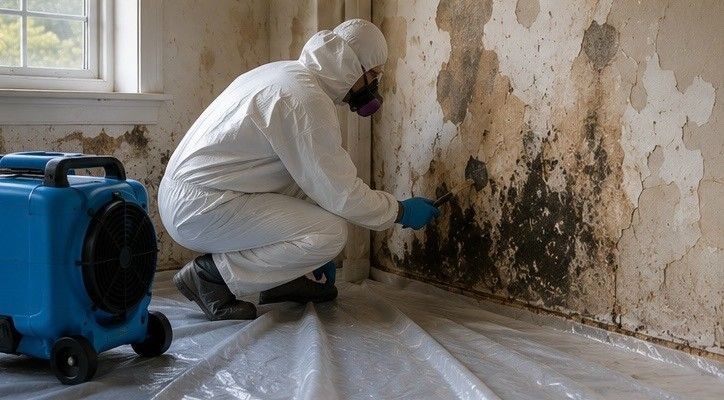
These aren’t theoretical risks — they’re the specific conditions we walk into on jobs in Downtown Colorado Springs regularly. Older properties in this neighbourhood deserve a mold assessment that understands the building history, not just a surface inspection.
Mold Services We Provide Throughout Downtown Colorado Springs
Every service below is available across Downtown Colorado Springs — from single unit apartments and converted lofts to historic commercial properties and multi-storey residential buildings.
Mold Removal
Downtown Colorado Springs properties particularly older brick builds and converted lofts often have mold embedded deeper into structural materials than surface inspections reveal. We remove it completely.
Mold Inspection & Testing
Not sure if what you’re seeing or smelling is actually mold? We conduct full property assessments across Downtown Colorado Springs including air sampling and surface testing before any removal work begins.
Black Mold Removal
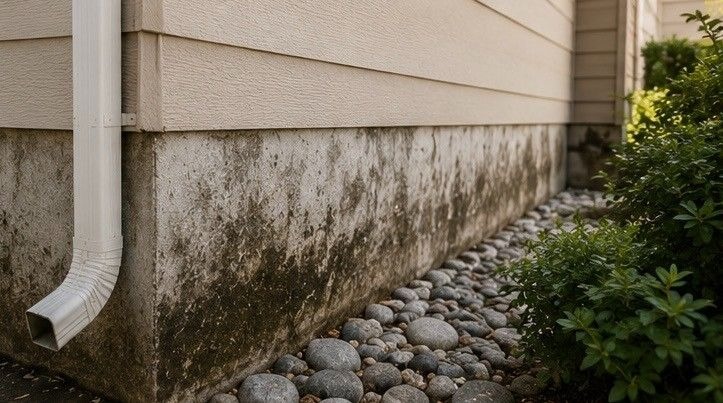
Black mold thrives in the chronic moisture conditions common in Downtown Colorado Springs basements and shared wall cavities. We handle removal with full containment so spores don’t spread during the process.
Mold Damage Restoration
After mold is removed the structural damage left behind in Downtown Colorado Springs properties still needs fixing — drywall, insulation, flooring and framing that absorbed contamination over months or years.
Crawl Space Mold Removal
Many Downtown Colorado Springs properties have sub-floor voids and crawl spaces that haven’t been inspected in decades. Ground moisture and foundation seepage make these the most common site of undiscovered mold growth.
Basement Mold Removal
Downtown Colorado Springs basements face annual freeze-thaw moisture intrusion that keeps foundation walls damp through winter and spring. That sustained dampness is exactly where basement mold establishes itself.
Attic Mold Removal
Older Downtown Colorado Springs rooflines and inadequate attic ventilation in converted buildings create condensation conditions that produce mold growth in upper levels — often undetected until it’s caused structural damage.
Commercial Mold Remediation
Downtown Colorado Springs has a significant concentration of active commercial properties. Mold in a business premises affects staff health, customer perception and your liability. We work around your operating hours.
Emergency Mold Removal
Burst pipe or sudden flood in a Downtown Colorado Springs property? Mold begins within 48 hours of moisture exposure. Our emergency team is available around the clock and responds fast across the city centre.
Water Damage Mold Removal
Water intrusion in Downtown Colorado Springs properties from plumbing failures, roof leaks or foundation seepage almost always leads to mold if materials weren’t professionally dried within the first 48 hours.
Other Colorado Springs Neighbourhoods We Serve:
Why Downtown Colorado Springs Property Owners Choose Front Range Mold Remediation
We Understand Historic and Converted Properties
Downtown Colorado Springs buildings don’t behave like standard residential builds — and we don’t treat them like they do. We understand how older brick construction absorbs moisture differently, how commercial conversions create ventilation gaps that residential builds don’t have and how shared wall construction spreads contamination across units. That local structural knowledge changes how we assess and plan every job in the city centre.
We Document Everything
Essential for Older Properties Historic properties in Downtown Colorado Springs frequently involve property managers, landlords, insurance adjusters and sometimes city compliance requirements all at once. Every job we complete comes with full written documentation — scope of work, moisture readings, removal records and post clearance testing results — so you have exactly what each of those parties needs without chasing paperwork after the fact.
We Work Around Tenants and Business Operations
Downtown Colorado Springs has a high concentration of occupied rental units and active commercial properties. We schedule assessments and remediation around your tenants and operating hours — minimising disruption without cutting corners on containment or removal procedure.
Free Estimates With No Obligation
We assess Downtown Colorado Springs properties honestly and give you a full written estimate before any work begins. If the assessment shows the problem is smaller than you thought, we’ll tell you that too — because a reputation built on honest assessments is worth more to us than a single inflated job.
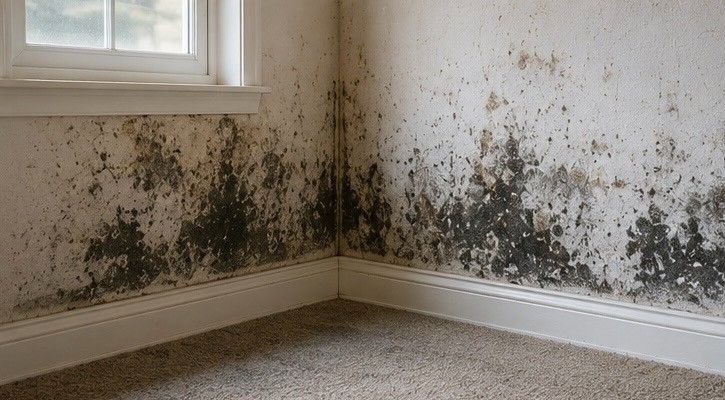
Frequently Asked Questions
Does the age of a Downtown Colorado Springs building affect how mold spreads inside it?
Significantly and in ways that newer construction doesn’t deal with in the same way. Buildings constructed before modern vapour barriers and waterproofing standards were introduced absorb and retain moisture inside their wall assemblies rather than shedding it. Once moisture establishes itself inside an older brick or timber frame wall, it moves along structural elements horizontally and vertically — spreading mold contamination well beyond the original source area before any visible sign appears on the surface. This is why a thorough mold inspection and testing assessment is particularly important for Downtown Colorado Springs properties rather than a visual check alone.
I rent a unit in a Downtown Colorado Springs building and found mold who is responsible for fixing it?
In Colorado, landlords are legally required to maintain rental properties in a habitable condition — which includes addressing mold contamination that affects indoor air quality. If you’ve found mold in your unit, document it thoroughly with photographs, notify your landlord in writing and request written confirmation of when remediation will be completed. If the landlord fails to act within a reasonable timeframe Colorado tenants have legal remedies available including rent withholding in certain circumstances. As a tenant you should not attempt to remove the mold yourself — disturbing it without professional containment can make the problem significantly worse and may complicate any legal claim.
Can mold in one Downtown Colorado Springs unit spread to neighbouring units?
Yes — and in the dense shared-wall construction common throughout Downtown Colorado Springs it happens more often than most building owners realise. Mold growing inside a wall cavity doesn’t stay on one side of a property boundary. It travels along shared framing, through gaps around plumbing penetrations and via HVAC ductwork that serves multiple units from a shared system. By the time a neighbouring tenant notices a smell or visible growth the contamination has often been migrating through shared structural elements for weeks or months. Building-wide assessment rather than single-unit inspection is almost always the appropriate response in multi-unit Downtown properties.
How do freeze-thaw cycles in Colorado Springs affect mold risk in older Downtown buildings?
Colorado Springs averages temperature swings of 40 degrees Fahrenheit or more on single days during late winter and early spring — and those swings are particularly damaging to older Downtown foundations and masonry walls. Water that penetrates micro-fractures in brick or concrete during an afternoon thaw freezes overnight and expands, widening those fractures incrementally with each cycle through the season. Over years and decades this process creates progressively larger moisture pathways into basement walls and lower floor structures — exactly where chronic dampness accumulates and black mold removal becomes necessary.
Do I need a mold inspection before selling a Downtown Colorado Springs property?
Colorado requires sellers to disclose known material defects — and mold contamination qualifies as a material defect under state disclosure law. A pre-listing mold inspection protects you from post-sale legal disputes and gives buyers confidence that the property has been assessed by a certified professional. For historic Downtown Colorado Springs properties in particular — where buyers and their inspectors know older construction carries elevated moisture risk — a clean clearance report can be a meaningful differentiator that keeps a sale on track rather than triggering a renegotiation or walkout at the inspection stage.
No obligation. No pressure. Just a straight answer about what your Downtown Colorado Springs property actually needs.
Want to understand why older Colorado Springs buildings carry higher mold risk? Read our guide on Why Mold Still Grows in Colorado Springs' Dry Climate before your inspection.