
What Happens to Your Colorado Springs Home if You Ignore Mold for a Year
Ignoring mold in a Colorado Springs home for 12 months costs far more than fixing it early. Here's what actually happens structurally and financially.
MOLD REMEDIATION COLORADO SPRINGS
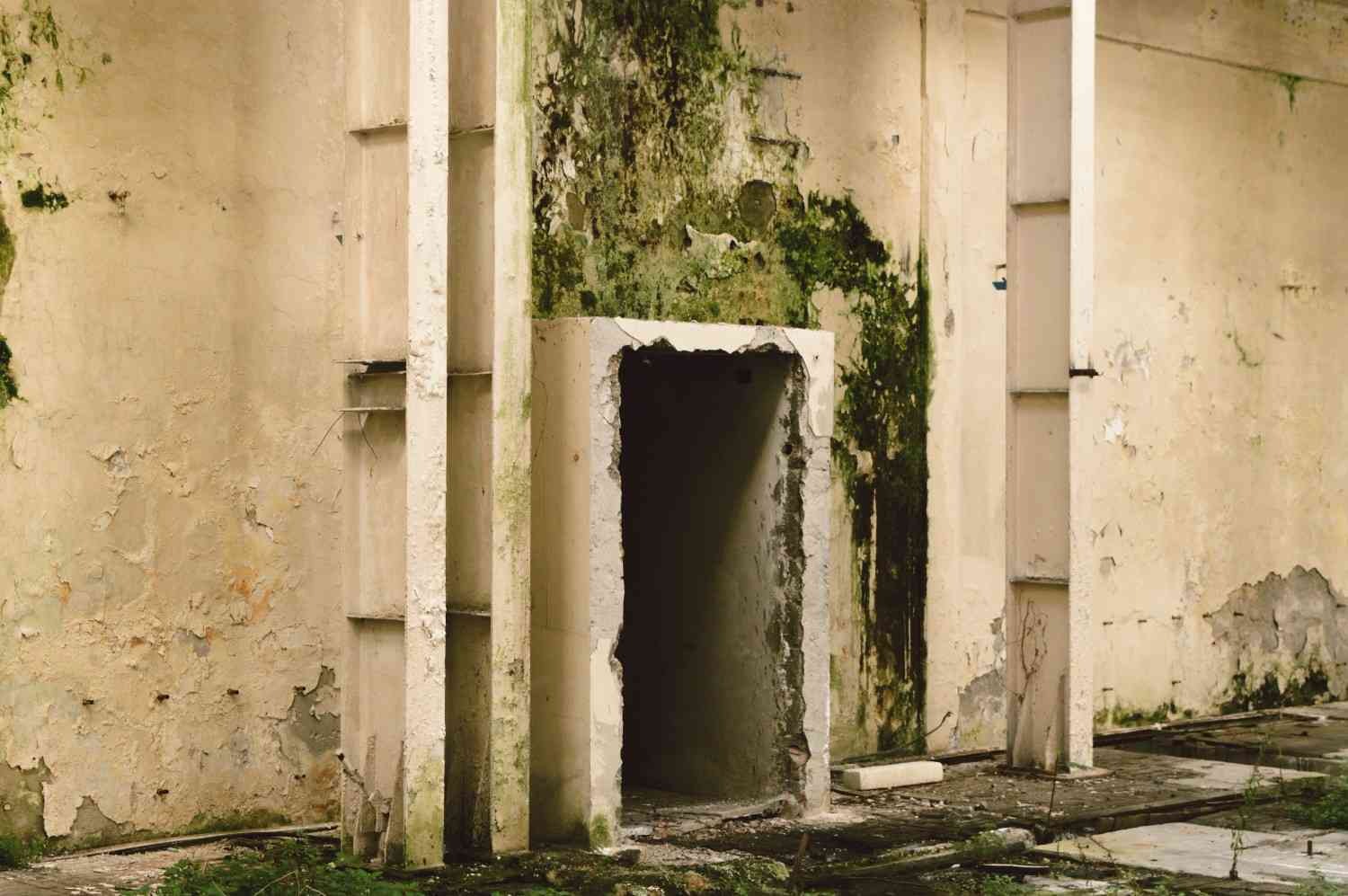
What Happens to Your Colorado Springs Home if You Ignore Mold for a Year
Most people who find mold in their home don't ignore it because they don't care. They ignore it because life gets busy, because the patch looks small, because the quote they got felt like more than they wanted to spend right now, or because they half-convinced themselves it might dry out on its own. Sometimes several of those things are true at once. What most homeowners don't have is a clear picture of what actually happens to a Colorado Springs property during the months that pass while that decision sits unmade.
This isn't about scare tactics. It's about understanding what mold actually does to a building over time — because that understanding changes the math on whether waiting is cheaper than acting.
Month One — It Looks Small Because You're Only Seeing the Surface
The patch visible on your bathroom wall or basement corner is not the mold. It's the surface expression of a colony that has already established itself inside the material behind it. Mold grows through drywall paper, along wood grain and into insulation from the inside out. By the time it's visible on the finished surface it has already been present in the wall assembly for weeks, sometimes longer.
In month one in a Colorado Springs home, that colony is actively releasing spores into the room air on a continuous basis. Not dramatically — you're not breathing visible clouds of anything. But the spore concentration in the air of that room is elevated above what it would be in a clean space, and it will stay elevated for as long as the colony is active. For most Colorado Springs homes that means it stays elevated indefinitely, because the moisture source that created the colony is usually still present.
Month Two and Three — The Colony Expands Beyond What You Can See
By month two, mold that started on one wall section is typically tracking along the studs, the top plate and the floor joist above or below it. This happens because moisture follows building materials — it doesn't stay put in the spot where it first appeared. A slow leak behind a bathroom wall in a Briargate home from the 1980s will push moisture along the framing in both directions before it ever shows up as a second visible patch. By the time the second patch appears you're looking at contamination that covers significantly more linear feet of wall assembly than the two visible spots suggest.
This matters practically because the scope of remediation — the amount of drywall that needs to come out, the square footage of framing that needs treatment — scales directly with how far the contamination has spread. Remediation in month one addresses what was present in month one. Remediation in month three addresses what was present in month one plus everything that spread during months two and three.
Month Four Through Six — Structural Materials Start to Degrade
Mold consumes organic material. That's not a metaphor — it's literally what mold does metabolically. It breaks down the cellulose in drywall paper, the lignin in wood and the organic binders in older insulation products. Over the first six months in a moderately humid Colorado Springs basement or crawl space, this consumption is gradual. But it's continuous.
By month four to six, framing timber that started with surface mold growth will show internal degradation — soft spots you can detect by pressing with a thumbnail, surface checking that indicates moisture-driven wood movement, discoloration that goes through the timber depth rather than sitting on the surface. Once framing timber shows these signs, antimicrobial treatment isn't sufficient. The compromised sections need physical replacement, which is a structural scope of work rather than a surface remediation scope.
In Colorado Springs properties specifically, crawl space floor joists are where this timeline plays out most consequentially. A crawl space with a failed vapor barrier in a Fountain or Rockrimmon home from the 1970s can have floor joists that are structurally compromised well before the homeowner has any visible evidence of a problem above the floor line.
Month Seven Through Nine — Indoor Air Quality Affects Daily Life
By the second half of year one, a significant mold contamination that's been left untreated in an occupied Colorado Springs home is typically producing measurable effects on the people living in it. These effects are easy to attribute to other things — seasonal allergies are common in Colorado Springs anyway, fatigue has a hundred explanations, headaches in a dry climate with variable altitude pressure happen to plenty of people for reasons that have nothing to do with mold.
What makes mold exposure specifically identifiable is the pattern. Symptoms that are consistently better on days spent entirely outside the property, worse on days spent mostly indoors, and that affect multiple household members in the same temporal pattern rather than one person with a personal health history — that cluster of observations is worth taking seriously as a potential air quality issue.
This is not medical advice. But it is an honest description of the pattern that Colorado Springs homeowners describe when they finally call us after a problem has been present for most of a year.
Month Ten Through Twelve — The Remediation Scope Is Now a Different Project
At the twelve month mark, a mold problem that could have been resolved in a contained two-day remediation when it was first noticed has typically become a multi-room, multi-system project. The wall cavity contamination has tracked through the framing into adjacent rooms. Insulation has been replaced by water-damaged material that needs to come out entirely. In older Colorado Springs properties with plaster walls, that plaster may be showing spalling or delamination that traces back to the moisture behind it.
The cost difference between month-one remediation and month-twelve remediation is not linear. It doesn't just cost a little more — it costs substantially more, because the scope of materials requiring physical removal has multiplied and because structural repairs are now part of a job that started as a surface contamination. Insurance claims for mold that has been present for a year are also more complicated, because adjusters are more likely to characterise long-standing contamination as a maintenance failure rather than a discrete event.
What Early Action Actually Looks Like
In practice, catching a mold problem early in a Colorado Springs home means the remediation is contained — one wall section, one room, two days of work and a clearance test. The cost is manageable. The disruption is minimal. The clearance documentation you receive afterward protects you in any future real estate transaction.
Waiting a year means the same problem has become a project. The wall section is now three rooms. The floor joist system is now compromised. The disruption to your household is measured in weeks rather than days.
Properties in older Colorado Springs neighbourhoods like Broadmoor — where historic construction creates multiple moisture pathways that newer builds don't have — are particularly susceptible to this compounding pattern, because moisture travels faster through older building fabric and the structural materials it finds are already closer to the end of their design life.
If you've been looking at something in your Colorado Springs home and deciding what to do about it, the decision that costs less is almost always the earlier one. Our mold inspection and testing team can assess your property and give you a clear picture of what's actually present before you commit to any removal scope. And if the problem is in a crawl space or basement — the location where this compounding effect is fastest — our basement mold removal page explains what that inspection and removal process actually involves.