
Mold Inspection and Testing for Black Forest's Well and Septic Homes
Black Forest's rural acreage properties run on private wells and septic systems, which changes what a mold inspection needs to check. Here's how.
MOLD REMEDIATION COLORADO SPRINGS
Mold Inspection and Testing for Black Forest's Well and Septic Homes
Black Forest is one of the few places this close to Colorado Springs where most homes still run entirely off private systems rather than municipal water and sewer. Wells, septic fields, and often propane instead of natural gas are the norm across the neighborhood's wooded, multi-acre lots, and that's a huge part of why people choose to live there. It also means a mold inspection on a Black Forest property needs to look at a few things that simply don't apply to a home connected to city utilities, and it's worth understanding what those are before you assume a standard inspection covers everything relevant to your property.
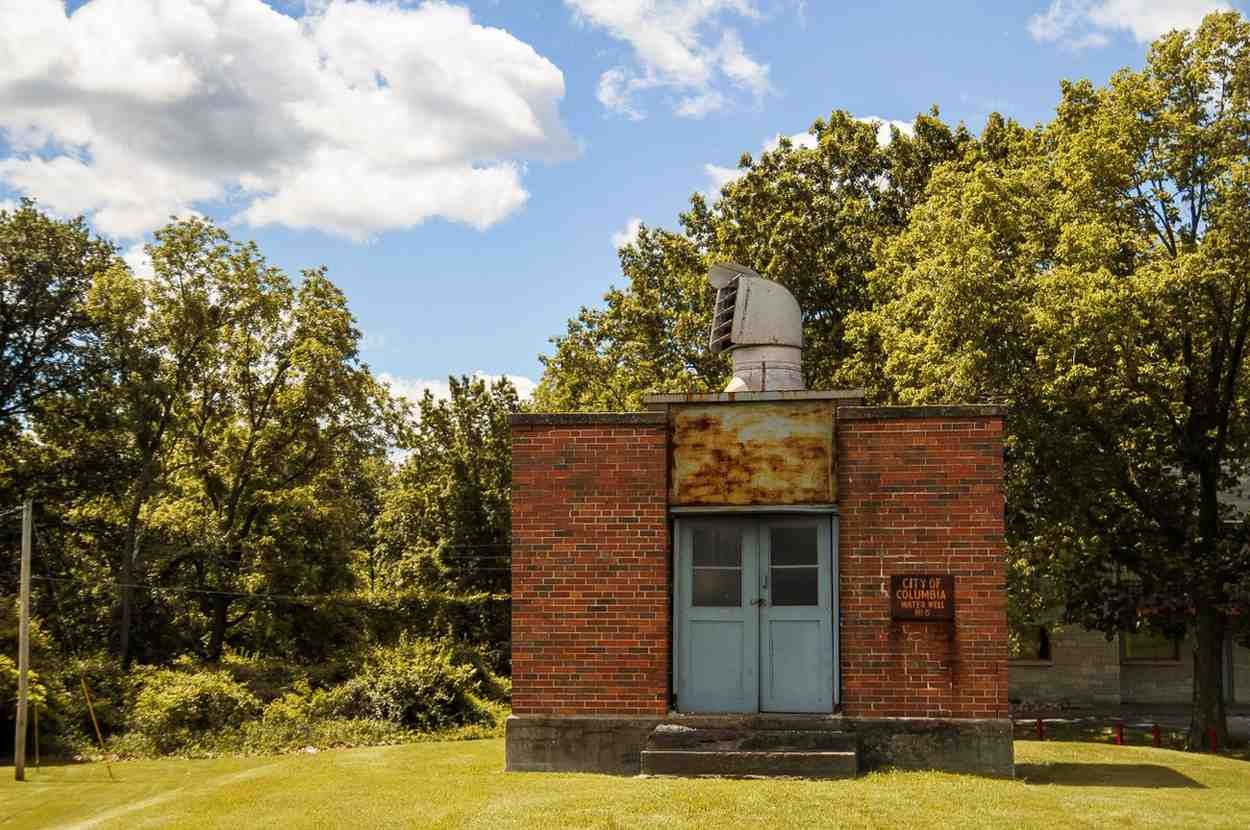
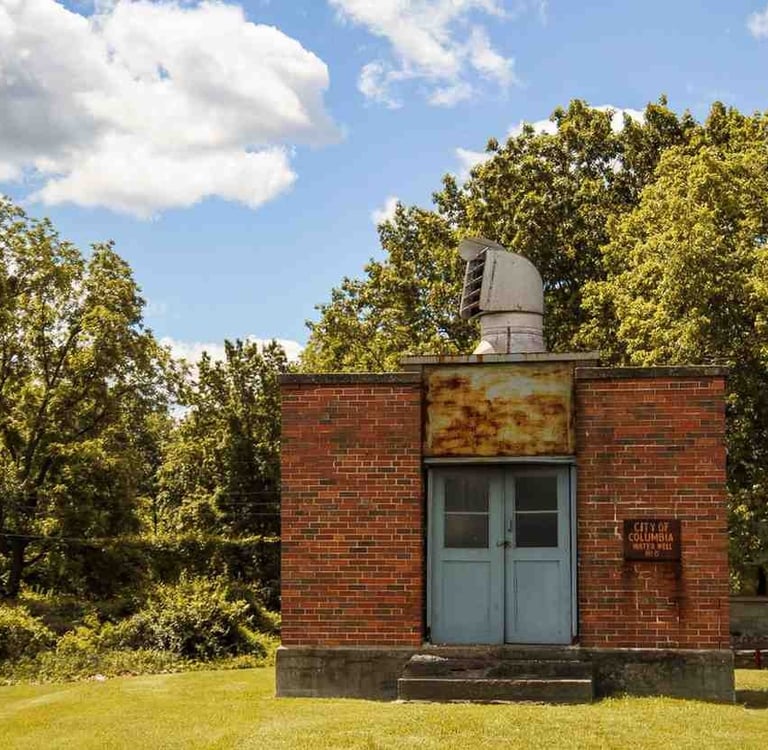
The well pit or pump house is the first thing worth mentioning, since it's a component that a municipal-water home doesn't have at all. Older well installations in the area sometimes used a below-grade well pit, essentially a small underground vault housing the pressure tank and related equipment, and these pits are notorious for developing chronic moisture problems since they're partially below the frost line and often poorly sealed against groundwater intrusion. Newer wells typically use an above-ground pump house or a wellhead with equipment inside the home's mechanical room instead, which is generally a drier setup, but if your property still has an older-style well pit, that space is worth including in any inspection since it's essentially a permanently damp underground room sitting right next to your home's water supply line, which usually runs from the pit into the house through a wall or floor penetration that can also be a moisture entry point if it wasn't sealed properly.
Water quality itself matters here in a way it doesn't for city-water homes. Well water in the Black Forest area varies significantly from property to property depending on which aquifer the well draws from, and some wells produce water high in iron, manganese, or general hardness. That's primarily a plumbing and appliance concern, showing up as staining in fixtures or scale buildup on faucets, but it's also relevant to a mold inspection because water treatment equipment, whether it's a water softener, iron filter, or other treatment system, introduces additional plumbing connections and occasionally a drain line for backwash cycles. Any additional plumbing junction is one more place a slow leak can start, and treatment equipment tucked into a basement or utility closet doesn't always get the same routine visual check that a kitchen sink does.
Septic systems introduce a different consideration, mainly around the drain field and any known history of septic backups or field saturation. A septic system that's undersized for the home, aging, or dealing with a saturated drain field due to unusually wet conditions can, in a worst case, back up into the home itself, which is a very different contamination scenario than a plumbing supply line leak and requires a different inspection and remediation approach entirely, since sewage-contaminated water carries health risks beyond ordinary mold growth. Even short of an actual backup, a drain field that's struggling can raise the water table immediately around the house more than a healthy system would, which is worth knowing about if you're also seeing unexplained crawl space or foundation moisture.
Power reliability is another practical factor tied to the area's rural setting, since forested properties on private roads and longer utility runs tend to see more frequent outages than homes closer to the core of the city. That matters for moisture control specifically because a well pump, a sump pump, and any dehumidification equipment all stop working the moment power goes out, and an outage that lasts more than a few hours during a wet stretch can let moisture accumulate in a crawl space or basement with none of the usual systems running to manage it. Homeowners who've invested in backup power for the well itself, which is often a priority given that no power means no water at all, sometimes haven't extended the same backup coverage to a sump pump or dehumidifier, even though both matter just as much during an extended outage.
Radon testing is worth mentioning alongside a mold inspection on these rural properties, since the two aren't the same issue at all but they're often assessed around the same time for practical reasons. Homes with crawl spaces or basements in contact with native soil, which describes most Black Forest properties given the area's geology, can have elevated radon levels regardless of whether there's any moisture problem present, and a lot of the same access points, crawl space hatches, foundation penetrations, sump pits, are relevant to both a radon test and a mold inspection. It's efficient to have both assessed in the same visit when you're already having a professional in to look at crawl space or basement conditions, and some buyers specifically request both together during a real estate transaction on acreage property, since neither issue is something a general home inspection typically tests for in detail.
Seasonal fluctuation in well water tables is another factor specific to this kind of rural property that a municipal-water homeowner never has to think about. Well levels in the Black Forest area can shift meaningfully between wet spring months and drier late summer conditions, and a well that produces plenty of water in May can occasionally show reduced flow by August in a dry year. This matters for a mold inspection indirectly, because a property owner troubleshooting an intermittent moisture issue near a well pit or pump house sometimes finds that the problem only shows up during certain seasons, tracking with when the surrounding water table sits highest rather than being present year-round. Recognizing this seasonal pattern, rather than assuming a moisture issue that seems to disappear has actually resolved itself, is part of doing a thorough assessment on a property like this rather than a one-time check that happens to land during a dry stretch.
Defensible space and wildfire mitigation work, an ongoing responsibility for most wooded Black Forest properties, sometimes creates a secondary moisture issue worth watching for. Thinned trees and cleared brush have to go somewhere, and it's common for that debris to get stacked temporarily, or sometimes not so temporarily, near a structure while a homeowner waits for chipping service, a burn permit window, or simply gets around to hauling it away. A substantial debris pile sitting against a foundation wall or crawl space vent for months holds moisture against that surface in the same way mulch or leaf litter would, and it's an easy thing to overlook precisely because the debris pile itself is there for an unrelated, entirely sensible reason. Keeping mitigation debris clear of the house itself, even during the interim period before it's fully hauled away, avoids trading one property risk for a smaller version of another.
Propane tanks and their connection points are worth a brief mention too, since most Black Forest homes run on propane rather than natural gas given the lack of municipal gas lines this far out. The below-grade or partially buried lines running from an above-ground tank to the house cross through the same soil that a well line or septic line does, and while propane itself isn't a moisture source, the trenching and soil disturbance involved in installing or servicing these lines can sometimes affect grading and drainage patterns right at the point where the line enters the house, particularly if backfill wasn't compacted evenly after installation or repair work. It's one more buried utility penetration worth having someone check during a thorough inspection, alongside the well and septic lines already covered.
Because Black Forest properties sit on larger acreage with more distance between the house and any neighbor, moisture problems here also sometimes go unnoticed longer simply because there's no adjacent property owner who might mention a smell or a visible issue. It's worth being a little more proactive about periodic inspection precisely because of that isolation, rather than relying on the kind of incidental awareness that comes from living closer to other people.
If your property relies on a private well and septic system near Black Forest Colorado Springs, a mold inspection there should account for the well pit or pump house, any water treatment equipment, and the general condition of your septic system alongside the usual crawl space and attic checks. Our Mold Inspection & Testing Colorado Springs page covers what our inspection process includes, which for a rural acreage property is genuinely more thorough than what a standard city-utility home needs.