
Mold After a Burst Pipe in Colorado Springs — What the First Week Actually Determines
A burst pipe in a Colorado Springs home gives you a narrow window before mold becomes the bigger problem. Here's what the first week actually decides.
MOLD REMEDIATION COLORADO SPRINGS
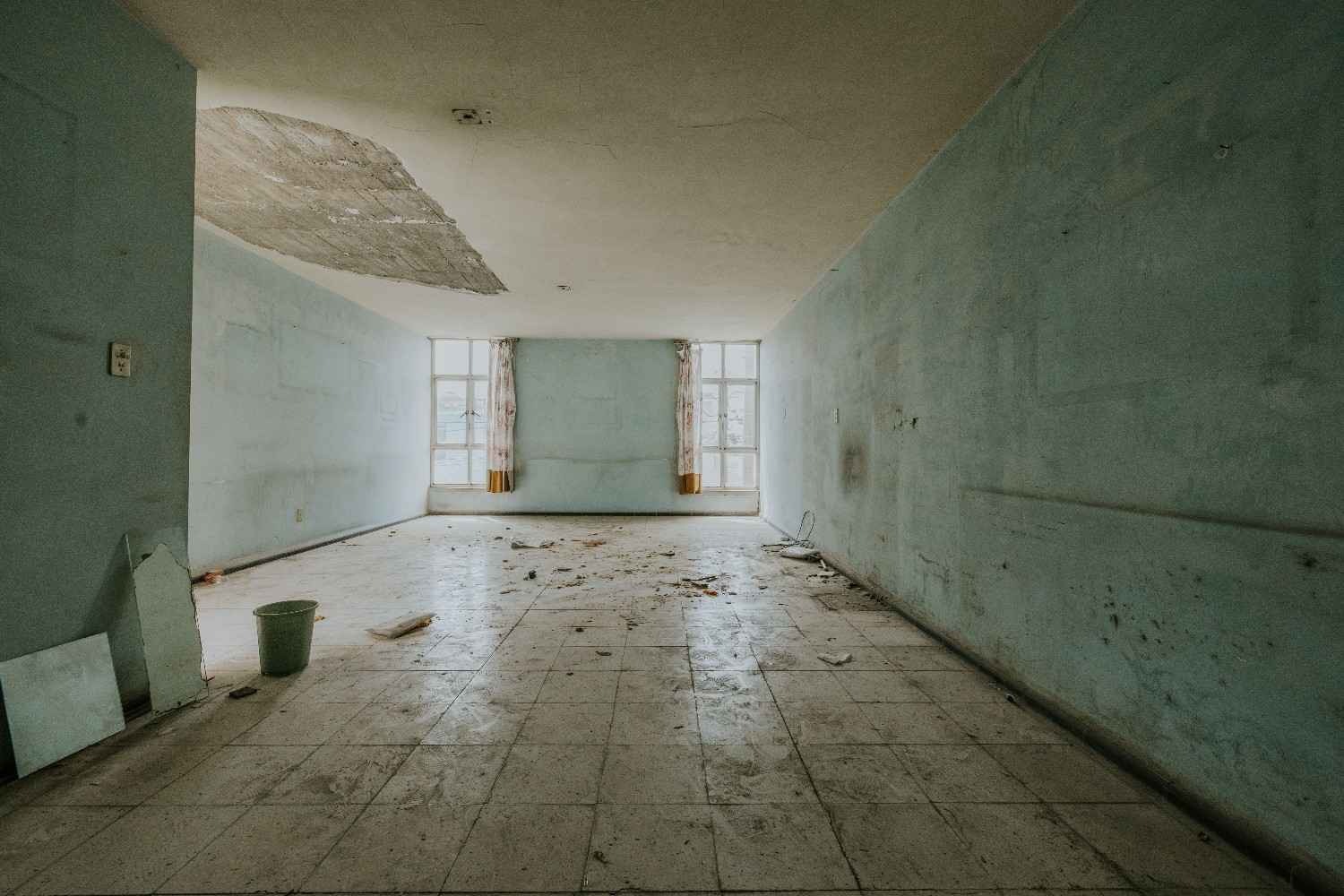
Mold After a Burst Pipe in Colorado Springs What the First Week Actually Determines
A burst pipe in a Colorado Springs home is the kind of event that reshapes your entire day the moment you discover it. You shut off the water, you call a plumber, you start moving things off the floor and pulling up wet rugs. By the time the plumber has fixed the break and left, you've dealt with the immediate emergency and the temptation is strong to treat the event as over. Get the fans running, let things dry out, check back in a few days.
That decision — treating the plumbing repair as the end of the incident rather than the beginning of a recovery timeline — is the single most consistent reason burst pipe events in Colorado Springs homes become mold remediation projects weeks later.
Why Colorado Springs Winters Make Burst Pipes Particularly High Risk
Colorado Springs experiences some of the most dramatic temperature swings in the country. A day that reaches fifty degrees in January can be followed by a night that drops to zero, and pipes in exterior walls, unheated crawl spaces and garage spaces that aren't consistently heated are particularly vulnerable to freezing and subsequent bursting when temperatures rebound.
The timing matters for mold risk because winter pipe bursts occur when both the indoor temperature and the humidity conditions in the affected space are closer to the thresholds that support mold growth than a summer event would be. A basement that's been at fifty-five degrees through a Colorado Springs winter has concrete and framing that holds moisture longer than the same space in August — the materials are already at or near their equilibrium moisture content with a cool, moderately humid environment, which means that additional water from a burst pipe drives them above the threshold for mold establishment faster and keeps them there longer.
What Happens in the First 24 Hours
The first 24 hours after a burst pipe determine more about the eventual mold outcome than any subsequent period. Materials that absorb significant water in the first 24 hours — drywall, insulation, subfloor sheathing, carpet padding — begin the process of absorbing that water into their structure immediately. Consumer fans and wet vacuums remove surface water effectively. They do not remove water that has already absorbed into building materials, and that absorbed water is what drives mold establishment.
This is the critical distinction that most Colorado Springs homeowners don't know until they're dealing with the consequences of it weeks later. The floor that looks dry two days after a burst pipe may have subfloor sheathing with a moisture content of thirty percent — well above the threshold for mold growth — simply because the surface dried while the structural material beneath it retained the water it absorbed in the first few hours.
Professional drying equipment — industrial dehumidifiers and air movers calibrated to the volume of the affected space — extracts moisture from building materials rather than just from the air and surface. The difference in outcome between a space dried with professional equipment and a space dried with consumer fans is not marginal. It's the difference between materials that reach safe moisture content within 72 hours and materials that stay above mold-threshold moisture content for weeks.
The 48-Hour Mold Window
Mold can begin establishing itself in building materials within 24 to 48 hours of sustained moisture exposure under the temperature and humidity conditions typical of an occupied Colorado Springs home. This doesn't mean that mold is definitely present after 48 hours — it means that the conditions for establishment are met by that point if materials haven't been dried to safe moisture content.
In practice, a Colorado Springs home with a burst pipe that was addressed with consumer drying equipment and checked visually at 48 hours will often look completely fine. The surface is dry. The room smells normal. Nothing visible has changed. What's present in the wall cavity behind the drywall, in the insulation that absorbed water before anyone got to it, and in the subfloor sheathing under the carpet that was pulled up and set outside to dry — that's what determines whether a mold problem develops over the following two to four weeks.
What Professional Response Looks Like
Professional response to a burst pipe event in Colorado Springs involves moisture mapping the full affected area before any drying equipment is deployed. This means using moisture meters to establish the moisture content of every material type in every affected area — drywall, framing, subfloor, concrete — so the drying equipment can be sized and positioned to address what's actually wet rather than what looks wet.
Monitoring continues throughout the drying period, typically three to five days for a contained burst pipe event, with daily moisture readings confirming that materials are progressing toward safe moisture content rather than plateauing at elevated levels. Once all materials have reached documented safe moisture content, the risk of mold establishment from the original event is resolved.
This is distinct from mold remediation, which addresses contamination that has already established. The window between a burst pipe event and mold establishment is the window where professional drying prevents a remediation scope from developing at all — which is consistently less expensive than the remediation that follows inadequate drying.
When the Window Has Already Closed
If a Colorado Springs burst pipe event was more than a week ago and professional drying wasn't part of the response, the practical question is no longer whether to dry the materials — it's whether mold has established and how extensively. That requires a different type of assessment. Moisture mapping establishes current moisture levels. Air sampling establishes whether spore concentrations in the affected areas are elevated above normal levels. And thermal imaging can identify areas behind finished surfaces where moisture is still present and mold may be actively growing.
For Powers Corridor properties — where shared infrastructure means pipe failures can affect multiple units and where the construction period of the 1990s and 2000s used materials that absorb moisture rapidly — this assessment needs to cover shared wall areas and not just the primary affected unit. Our emergency mold removal team handles both the urgent response window and the assessment that follows when that window has already passed. And for Powers Corridor homeowners specifically, our Powers Corridor neighbourhood page covers the shared infrastructure factors that make pipe burst events here particularly likely to affect more than one property.