
How to Read a Mold Inspection Report in Colorado Springs — What the Numbers Actually Mean
Got a mold inspection report for your Colorado Springs home and not sure what the numbers mean? Here's how to read it and what to do next.
MOLD REMEDIATION COLORADO SPRINGS
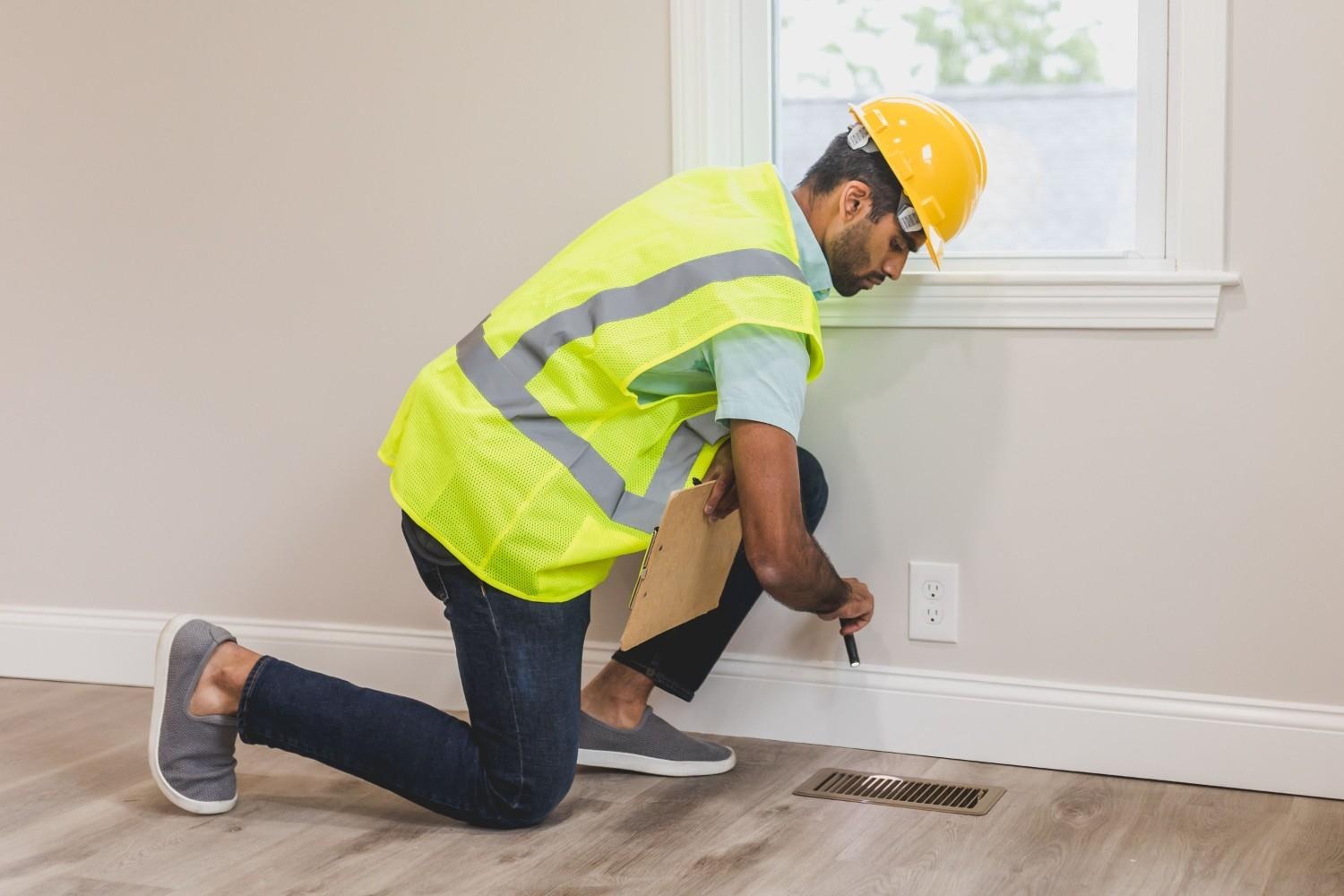
How to Read a Mold Inspection Report in Colorado Springs What the Numbers Actually Mean
A mold inspection report lands in your inbox and the first thing you notice is that it's more complicated than you expected. There are spore counts in numbers per cubic meter of air. There are Latin genus names for mold species you've never heard of. There's an outdoor comparison sample you weren't expecting. And somewhere in the middle of it is a conclusion that either reassures you or doesn't, but you're not entirely sure why it says what it says.
This is a common position for Colorado Springs homeowners to find themselves in after an inspection, and it's worth understanding what the different parts of a report actually mean before you decide what to do with the findings.
The Outdoor Control Sample — Why It's There and What It Tells You
A properly conducted mold inspection in Colorado Springs includes at least one outdoor air sample taken at the time of the indoor sampling. This outdoor sample is called the control, and its purpose is to establish what baseline mold spore levels look like in the ambient outdoor air on the day the testing was done.
This matters because mold spores are present outdoors everywhere, at levels that vary with season, weather conditions and local vegetation. In Colorado Springs, outdoor spore counts are generally lower than in more humid climates but are not zero, and they vary meaningfully between the dry months of winter and the more active monsoon season in late summer. A report produced in August after a wet monsoon period will show higher outdoor control counts than one produced in December — which is normal and expected.
The indoor samples only make sense in relation to the outdoor control. What you're looking for is whether indoor spore concentrations are significantly higher than the outdoor baseline, and whether the species composition of the indoor air matches the outdoor air or shows unexpected species in elevated concentrations.
Spore Counts — What the Numbers Mean
Spore counts in inspection reports are reported in spores per cubic meter of air, typically abbreviated as s/m³. There is no universal regulatory standard for what constitutes a safe indoor spore count — unlike carbon monoxide or radon, there's no government-established threshold that a number either passes or fails. What matters is the comparison to the outdoor control and the species present.
A rough practical framework for interpreting Colorado Springs inspection reports is this. Indoor counts that are comparable to or lower than the outdoor control count, with similar species distribution, are generally considered acceptable — the indoor air is not measurably worse than what's entering from outside. Indoor counts that are two to three times higher than the outdoor control, or that show species at elevated concentrations that are low or absent in the outdoor sample, indicate a likely indoor moisture or contamination source that warrants further investigation. Indoor counts that are five or more times the outdoor baseline, or that show highly elevated concentrations of specific species associated with water damage, indicate active contamination that requires remediation.
Species — What the Latin Names Mean in Practice
Inspection reports list mold species by their genus and sometimes species name, using Latin nomenclature that most homeowners have no reason to know. A few of the most commonly reported genera in Colorado Springs inspections are worth understanding.
Cladosporium is the most commonly found mold species in both indoor and outdoor Colorado Springs air samples. Finding Cladosporium at levels comparable to outdoor concentrations is generally unremarkable — it's ubiquitous and at normal levels is not a significant health concern. Finding it at dramatically elevated indoor concentrations compared to the outdoor sample does warrant investigation, as it suggests an active moisture source supporting growth.
Penicillium and Aspergillus are frequently grouped together in reports because their spores are similar in size and shape. They're associated with water-damaged building materials and are common findings in Colorado Springs properties with basement or crawl space moisture problems. Elevated indoor levels of Penicillium/Aspergillus relative to the outdoor control are a reliable indicator of water-damaged material somewhere in the building.
Stachybotrys — the genus associated with what's commonly called black mold — requires sustained, chronic moisture in cellulose-rich materials to establish and grow. Its spores are heavy and don't disperse easily into air, which means finding it in elevated concentrations in an air sample indicates a very active colony with significant surface area releasing spores. It's not commonly found in air samples even when present in a building, which is why surface sampling or direct visual assessment is more reliable for Stachybotrys identification than air testing alone.
Surface Samples vs Air Samples — The Difference
Some inspection reports include surface swab or tape lift results alongside air sample results. Surface sampling tells you what species are present on a specific surface — useful for identifying what's growing in a visible colony or on a suspicious stain. Air sampling tells you what spore concentrations are present in the breathing air of a specific space at the time of sampling.
Neither alone gives a complete picture. Air sampling can miss a Stachybotrys colony that isn't actively releasing spores. Surface sampling only tells you about the specific location sampled and nothing about whether spores from that location have distributed through the air. A thorough Colorado Springs inspection uses both where the assessment findings warrant it.
What a Report Should Include Beyond the Numbers
A useful mold inspection report for a Colorado Springs property should include the moisture source assessment alongside the laboratory results — identifying where moisture is entering or accumulating in the building and what's driving the conditions that allowed mold to establish. Without the moisture source assessment, a report gives you data about what's present without telling you what to do about why it's there.
The report should also include a clear remediation recommendation that matches the findings — not a vague suggestion to consult a remediation company, but a specific scope of areas requiring treatment, species of concern and any additional investigation recommended before remediation proceeds.
For Black Forest properties — where well water, septic systems and older rural construction create moisture dynamics that are different from urban Colorado Springs — the moisture source assessment portion of an inspection report needs to account for these property-specific factors rather than defaulting to the urban residential assessment framework. Our mold inspection and testing team provides written reports that include the moisture source assessment alongside the laboratory findings. For Black Forest homeowners specifically, our Black Forest neighbourhood page explains the specific factors we account for when assessing properties in that community.