
How Freeze-Thaw Cycles in Colorado Springs Damage Foundations and Create Mold
Colorado Springs freeze-thaw cycles do more than crack driveways. Here's how they damage foundations and create the exact conditions mold needs to grow.
MOLD REMEDIATION COLORADO SPRINGS
How Freeze-Thaw Cycles in Colorado Springs Damage Foundations and Create Mold
Colorado Springs residents know the routine by February. A warm afternoon in the low fifties followed by a night that drops to fifteen degrees, then another warm day, then another hard freeze. It happens dozens of times between November and April, and most people think of it mainly as a reason to watch for ice on the roads in the morning. What most homeowners don't think about is what that same cycle is doing to their foundation walls on every single repetition.
What Freeze-Thaw Actually Does to Concrete and Masonry
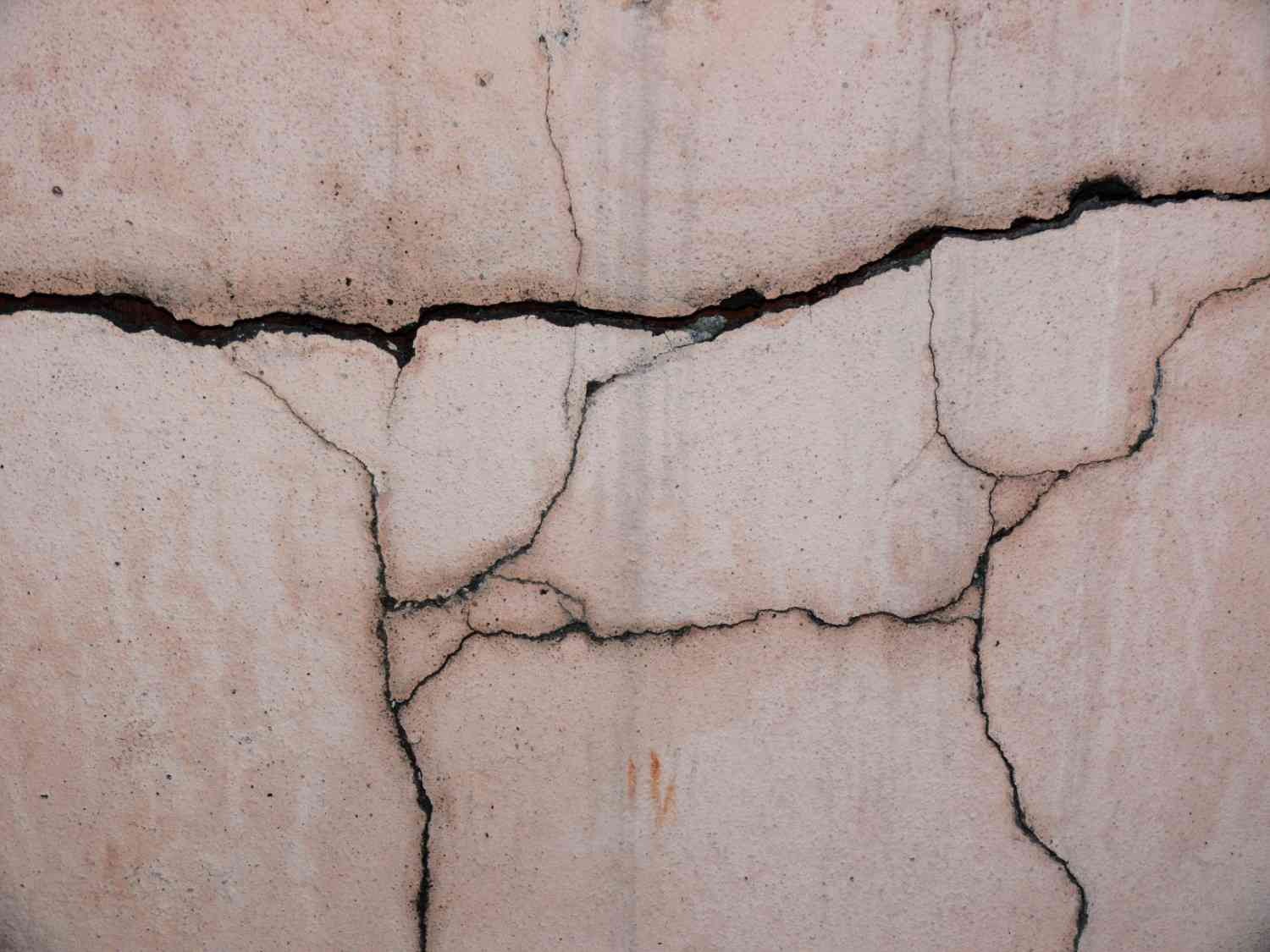
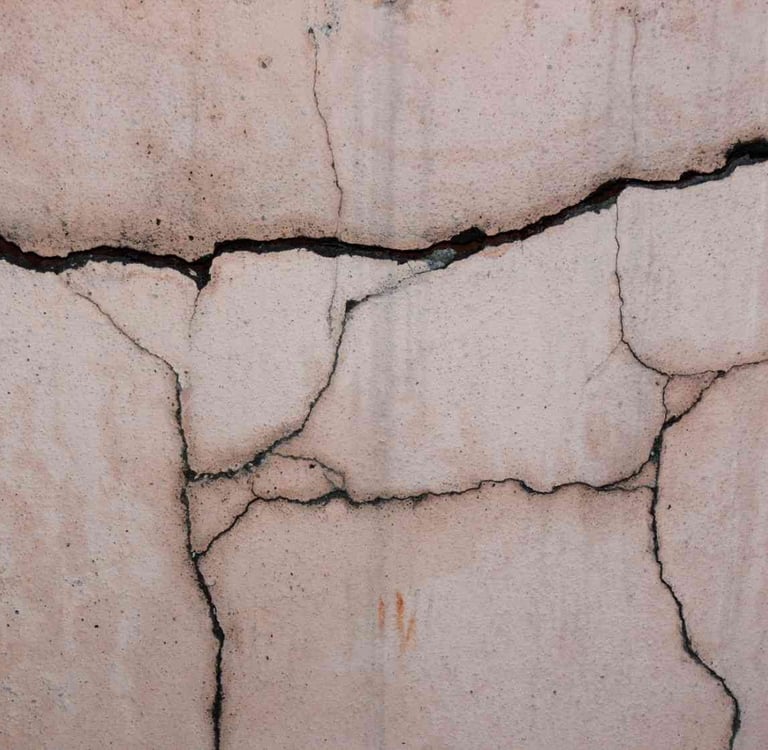
Water expands by about nine percent when it freezes. That number sounds small until you understand what it means for water that has penetrated into a micro-crack in a concrete or masonry foundation wall. When that water freezes, the expansion pries the crack slightly wider. When it thaws, the crack doesn't return to its original width — it stays fractionally wider than it was. The next freeze widens it again. Over a Colorado Springs winter with thirty or forty freeze-thaw cycles, a hairline crack becomes a visible crack. Over several winters, a visible crack becomes a moisture pathway significant enough to allow water intrusion during spring snowmelt events.
This process is well documented in structural engineering, but what's less commonly understood is what it means for mold risk specifically. Foundation cracks created by freeze-thaw cycling don't just let water in during a single dramatic event. They let moisture in consistently — a thin film of water that penetrates during each thaw cycle and remains in the basement wall assembly while temperatures are above freezing. That thin, consistent moisture is actually more conducive to mold growth than a single flooding event, because mold establishes itself in sustained moisture conditions rather than brief ones.
Which Colorado Springs Properties Are Most Affected
The freeze-thaw damage pattern affects all Colorado Springs properties, but it affects some significantly more than others. Age is the primary variable. Concrete that was poured in the 1960s or 1970s — common in Colorado Springs neighbourhoods like Fountain, Rockrimmon and Old Colorado City — was mixed and cured to the standards of that era, which didn't include the air entrainment additives and water-to-cement ratios that make modern concrete substantially more freeze-thaw resistant. Older concrete is simply more porous and more susceptible to progressive crack widening than the mix used in contemporary construction.
Terrain is the second variable. Colorado Springs properties on sloped lots — which includes a significant portion of the city's southwest quadrant and the foothills-adjacent neighbourhoods — experience the additional factor of water pooling against the upslope foundation wall during thaw periods. That pooling increases both the moisture volume entering the foundation cracks and the hydrostatic pressure behind the wall, which accelerates crack progression beyond what the freeze-thaw cycling alone would produce.
Properties with concrete block rather than poured concrete foundations face their own specific vulnerability. Block foundations have mortar joints that are inherently less water-resistant than solid concrete, and those joints are the first location where freeze-thaw damage produces visible cracking and moisture penetration.
The Connection to Mold
The moisture that enters a Colorado Springs basement through freeze-thaw damaged foundation cracks doesn't arrive as a flood. It arrives as a consistent dampness on the interior face of the foundation wall — sometimes visible as surface efflorescence (the white mineral deposits left when water evaporates from concrete), sometimes detectable only with a moisture meter, and sometimes present only as an elevated relative humidity in the basement air that isn't explained by any obvious source.
That elevated basement humidity is where the mold connection becomes direct. Basement wall assemblies — the framing, insulation and drywall installed against the foundation wall to create finished basement space — sit directly adjacent to the moisture source. Cold concrete behind finished walls creates condensation conditions on the back face of the insulation and the interior face of the concrete simultaneously. The humidity from freeze-thaw moisture intrusion raises the baseline moisture content of those materials above the threshold where mold establishes itself, and it maintains that elevated moisture level consistently through the full Colorado Springs winter.
The result is mold growth in finished basement wall assemblies that has been driven by a structural cause rather than a plumbing failure or surface water event. This is important because it's the type of mold growth that recurs after surface treatment — because treating the mold without addressing the foundation crack that's feeding the moisture is treating a symptom rather than the cause.
What a Proper Assessment Covers
When a Colorado Springs home has basement mold that's been driven by freeze-thaw foundation damage, the assessment needs to address both the contamination and the structural cause. This means identifying which foundation cracks are active moisture pathways — something that moisture meters and thermal imaging can establish without opening walls — documenting the moisture levels in the wall assembly on both sides of the affected section and establishing whether the foundation crack itself requires repair before remediation will hold.
In older Colorado Springs properties, this assessment sometimes reveals that freeze-thaw damage has progressed to the point where the foundation requires structural attention alongside the mold remediation. That's not a remediation company's scope of work, but it's something a thorough assessment identifies so the homeowner knows what the full picture looks like before deciding on next steps.
Properties in Briargate and Northgate — where housing stock spans four decades of construction and foundation specifications varied considerably between builders — frequently show exactly this pattern, where mold in a finished basement traces back to foundation crack progression that has been underway since the original Colorado Springs winter the property experienced after construction.
If your Colorado Springs basement has a persistent smell, visible efflorescence on foundation walls or drywall that has softened at the base, our basement mold removal team assesses both the contamination and the moisture source that's driving it. And for properties in Briargate specifically where this pattern is particularly common, our Briargate neighbourhood page covers the specific moisture risk factors we see most regularly in that part of the city.